Futa’s World of NTR
Play Futa’s World of NTR
Futa’s World of NTR Screenshots









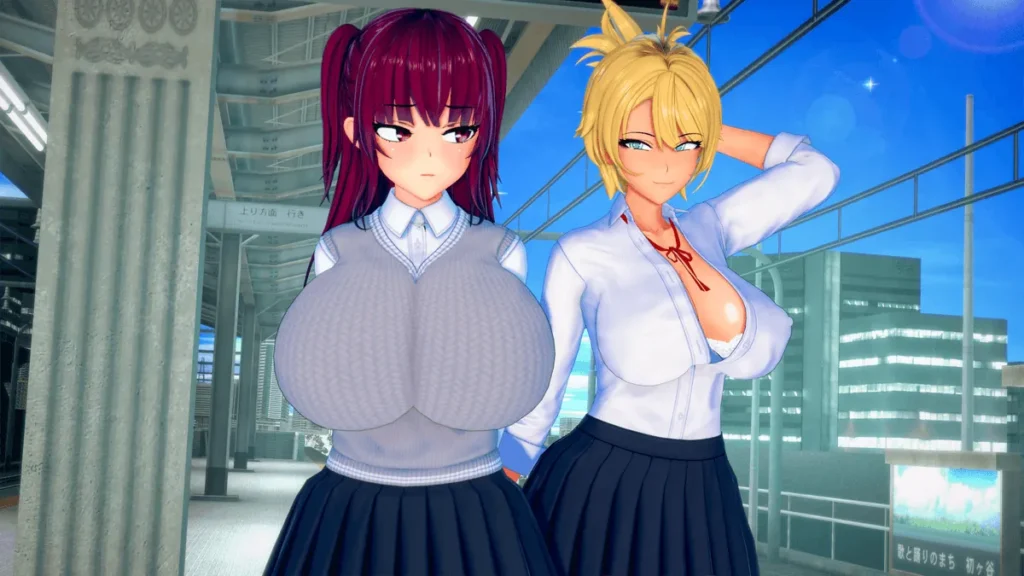
Futa’s World of NTR review
Explore Gameplay, Features, and Player Experience in Futa’s World of NTR
Futa’s World of NTR is a unique interactive game that has captured attention for its distinctive gameplay and immersive storyline. This article dives deep into what makes Futa’s World of NTR stand out, exploring its core mechanics, narrative style, and player engagement. Whether you’re curious about the game’s features or want practical tips to enhance your experience, this guide offers a comprehensive look at everything you need to know about Futa’s World of NTR.
Gameplay and Mechanics of Futa’s World of NTR
Diving into Futa’s World of NTR for the first time, I was immediately struck by how much more it was than just a visual novel. 🎮 It felt less like I was reading a story and more like I was actively weaving it, with every decision sending ripples through the entire digital world. If you’re wondering how to play Futa’s World of NTR, the answer is simple: you engage. You don’t just click through dialogue; you live it. This isn’t a passive experience—it’s a dynamic playground where your moral compass, your desires, and your strategic thinking are all put to the test. The core Futa’s World of NTR gameplay is built on this powerful sense of agency, making you the architect of your own thrilling, and often tense, narrative.
Core Gameplay Features
At its heart, the Futa’s World of NTR gameplay loop is an elegant dance between exploration, conversation, and resource management. 🕵️♀️ You’ll navigate beautifully rendered locations, interact with a cast of complex characters, and make choices that permanently alter relationships and plotlines. The interactive game mechanics are seamlessly woven into every action. Want to learn a character’s secret? You can’t just ask. You might need to build their trust through a series of favors, or perhaps uncover a clue by exploring a specific location at the right time of day.
A key feature I adore is the “Social Pulse” system. The world doesn’t wait for you. Characters have their own schedules, relationships evolve off-screen, and events trigger based on in-game time. I learned this the hard way early on! I spent too many in-game days focused on one storyline, only to discover a potential alliance had crumbled because I neglected a different character. This creates an incredibly immersive and replayable experience, as no two playthroughs unfold exactly the same way.
To give you a clearer picture of how these systems work together, here’s a breakdown of some key features:
| Gameplay Feature | How It Works | Impact on Player Experience |
|---|---|---|
| The Social Pulse | A dynamic timeline where characters act independently, and events progress in real-time. | Creates urgency, immersion, and massive replay value. You feel like you’re in a living world. |
| Dialogue Webs | Conversation choices are not simple good/evil branches but affect multiple character stats and hidden flags simultaneously. | Removes predictability. Choices feel weighty and have complex, often unintended, consequences. |
| Environmental Interaction | Clicking on specific items or visiting locations at key times unlocks unique scenes and information. | Rewards curiosity and thorough exploration, making every scene a potential source of discovery. |
| Relationship Matrix | A hidden screen tracking trust, affection, jealousy, and influence between all characters, not just the player. | Provides a deep, strategic layer. You must consider how your actions affect the entire social network. |
Mastering these interactive game mechanics is the first step to shaping your desired story. 🧩
Character Progression and Choices
Forget simple level-up screens. Character progression in Futa’s World of NTR is deeply narrative and intimately tied to the player choices impact. Your avatar grows not in strength, but in influence, understanding, and personal notoriety. This is tracked through several key stats like Persuasion, Awareness, Boldness, and Cunning. I remember focusing heavily on Cunning in one playthrough, which unlocked sly dialogue options and covert actions that completely changed how I resolved conflicts—it felt like playing a master manipulator! 🤫
The true brilliance lies in how these stats are gateways, not guarantees. Raising your Persuasion might give you the chance to talk your way out of a confrontation, but success still depends on your prior actions with the characters involved. Did you help them earlier? Did you betray their friend? The game remembers everything.
This is where the player choices impact becomes overwhelmingly clear. Early on, I made what seemed like a minor, spiteful comment about one character to another. I forgot about it entirely until, hours later, that offhand remark became the key piece of evidence used to turn a close ally against me. It was a devastating, yet brilliantly crafted, consequence. Your choices don’t just open or close doors; they remodel the entire building. Character progression in Futa’s World of NTR is about evolving your role within the story—will you become a trusted confidant, a feared puppeteer, or an agent of chaotic drama? The path is yours to carve.
Pro Tip: Don’t try to max out every stat in one go. For your first playthrough, pick a personality trait (like being boldly direct or secretly cunning) and lean into it. The specialized scenes and options you unlock will tell a more coherent and unique story.
Unique Systems and Player Interaction
Beyond the core dialogue and exploration, Futa’s World of NTR employs some brilliant unique game systems that set it apart. The most standout is the “Trust Ladder” for each major character. 🪜 It’s not a simple meter; it’s a multi-rung ladder where each rung represents a deeper level of intimacy or revelation. Moving up requires specific, often non-obvious, combinations of choices, stat checks, and completed side events. Unlocking a new rung feels like a genuine achievement and often rewards you with a pivotal story branch or a character’s hidden perspective.
Then there’s the economy of game rewards and points. You earn Influence Points (IP) and Favor Tokens by completing objectives, uncovering secrets, and succeeding in social encounters. These are your lifeblood. Influence Points can be spent to temporarily boost stats for crucial checks, while Favor Tokens are currency with specific characters, used to ask for significant help or access restricted information. I learned to hoard my Favor Tokens for absolute emergencies—like needing an alibi at a critical moment. Managing these resources wisely is a game in itself.
Finally, the “Rumor Mill” system is a masterstroke in player interaction. Your actions generate rumors that spread among the cast. A rumor can be a tool or a weapon. By strategically leaking or suppressing information, you can manipulate relationships from the shadows. In one session, I planted a rumor to divert suspicion from my activities, which accidentally caused two other characters to have a massive falling out. It was chaotic, unplanned, and utterly captivating. These unique game systems work in concert to ensure the Futa’s World of NTR gameplay is constantly fresh, strategic, and deeply responsive to your personal playstyle.
Ultimately, how to play Futa’s World of NTR successfully is to embrace its complexity. Engage with every system, talk to everyone, and save often—not to avoid consequences, but to have the courage to live with them. Your journey through its world is a deeply personal tapestry of intrigue, connection, and drama, woven one bold choice at a time. ✨
Futa’s World of NTR offers a compelling blend of interactive storytelling and engaging gameplay mechanics that appeal to players seeking a unique experience. Its choice-driven progression and distinctive systems create a dynamic environment that encourages exploration and strategic decision-making. Whether you’re a newcomer or a seasoned player, understanding these elements can greatly enhance your enjoyment. Dive into Futa’s World of NTR and discover a game that challenges and entertains in equal measure.