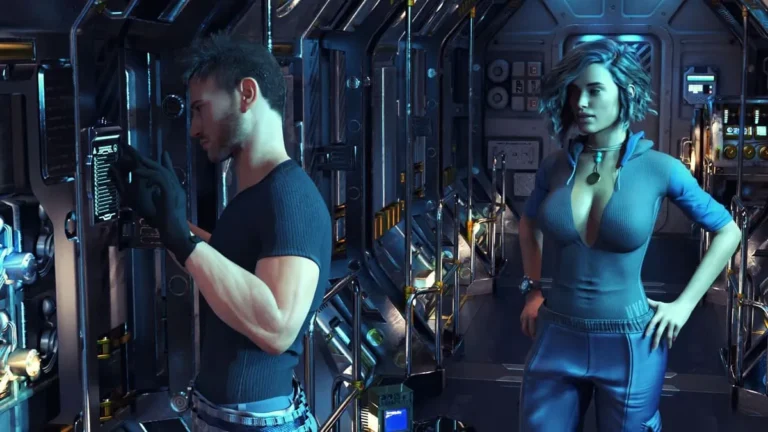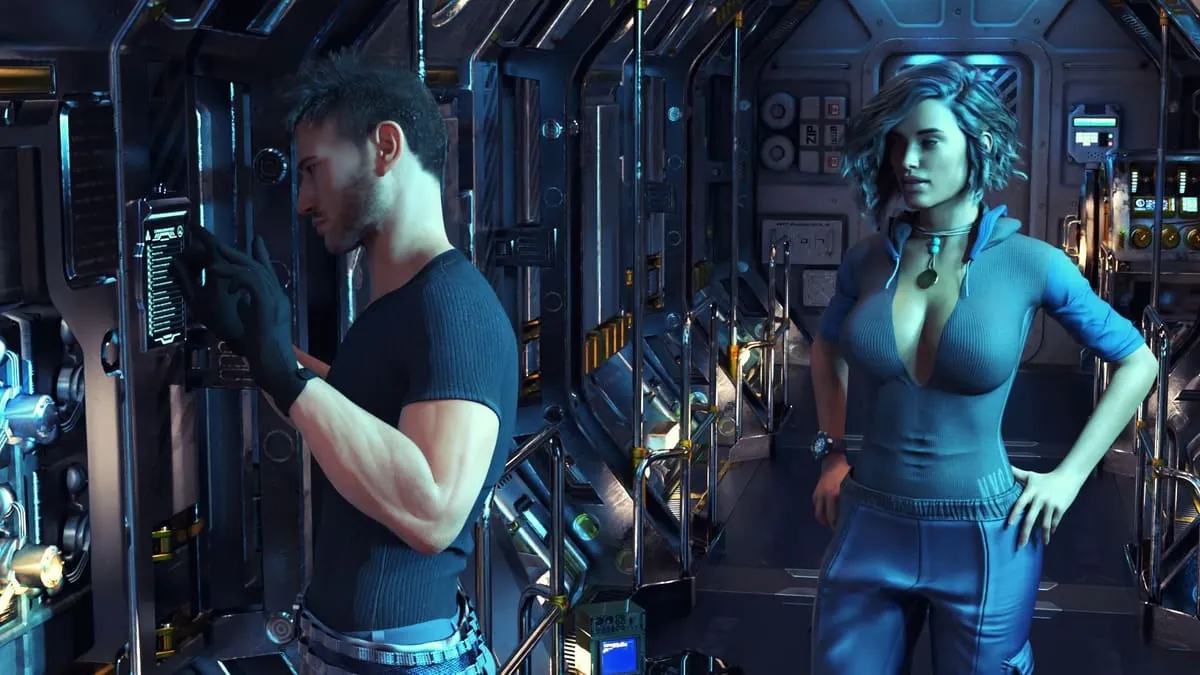
Toro 7
Play Toro 7
Toro 7 Screenshots







Toro 7 review
Master the Thrilling Mechanics and Strategies of Toro 7
Ever felt the rush of hurtling through a chaotic arena, where every split-second decision means victory or spectacular failure? That’s Toro 7 in a nutshell—a high-energy arcade-style action game that blends puzzle-solving with tactical precision. I remember my first run: I crashed into a dynamic wall, laughed it off, and dove back in, hooked by the Toro 7 momentum system that rewards bold moves. In this guide, we’ll unpack its core mechanics, share pro tips from my sessions, and help you conquer levels like a boss. Whether you’re new or grinding for perfection, get ready to flow through Toro 7’s addictive challenges.
What Makes Toro 7 Gameplay So Addictive?
I remember the exact moment it clicked. It was 2 AM, the glow of the screen my only light, and I was stuck on the Ascent of Icarus arena for what felt like the hundredth time. My character, a sleek, agile figure, was a smudge on the floor—again. I’d been playing it safe, carefully timing each jump, treating Toro 7 gameplay like a cautious puzzle platformer. And I kept failing. Frustrated, I finally just… let go. I hit the launch pad at full tilt, didn’t brake for the moving wall, used its own motion to slingshot myself higher, and suddenly I was surfing a wave of pure motion I never knew existed. That was it. That was the secret. Toro 7 isn’t about avoiding risk; it’s about embracing velocity as your primary tool. That late-night revelation transformed the entire experience from a frustrating challenge into an exhilarating flow state. 😤➡️😄
At its core, the magic of Toro 7 gameplay lies in its breathtaking fusion of high-energy arcade action and clever spatial puzzles. You’re not just navigating arenas; you’re conducting chaos. Every run is about achieving objectives through a ballet of speed and pinpoint precision, where hesitation is your greatest enemy and momentum is your most trusted ally. The thrill is a constant risk-reward loop: do you take the extra millisecond to line up a perfect jump, or do you trust your speed to carry you through? This guide is about learning to trust the flow. Let’s break down the systems that make this game so uniquely compelling.
How Dynamic Terrain Shapes Your Runs
Forget static platforms. The arenas in Toro 7 are living, breathing entities that actively challenge your memory and rhythm. This dynamic terrain Toro 7 is a masterclass in environmental storytelling and challenge. We’re talking about colossal pistons that shoot from the floor, rotating gear platforms that can crush or carry you, and walls that slide and shift in predictable yet demanding patterns. 🏗️↔️
You can’t just see a path and take it. You must learn the dance of the level. Early on, I learned this the hard way. I’d mapped a perfect route in my head, only for a retracting bridge to vanish beneath me because I was a half-second too slow. The key is to internalize these cycles. Watch first, then move. The dynamic terrain Toro 7 introduces isn’t random; it’s a rhythmic puzzle. Your success depends on syncing your movements with the environment’s tempo. It forces you to plan not just where to go, but when to be there, weaving your actions seamlessly into the arena’s own motion.
To understand how these core systems interact, let’s break them down:
| Core Mechanic | Primary Function | Strategic Impact |
|---|---|---|
| Dynamic Terrain | Creates moving pathways and obstacles that operate on set cycles. | Demands memorization and precise timing, transforming levels from static puzzles into rhythmic challenges. |
| Velocity-Based Actions | Links jump distance, wall-run duration, and special move effectiveness directly to your current speed. | Rewards maintained momentum and aggressive play; punishes hesitation and stop-start movement. |
| Environmental Triggers | Buttons, levers, and pressure plates that permanently or temporarily alter the arena layout. | Requires strategic route planning and often a specific activation sequence to unlock optimal paths. |
| Phase-Shift Objects | Blocks or barriers that can be toggled between solid and intangible states. | Creates multi-layered spatial puzzles where you manipulate the environment itself to create new platforms or openings. |
Unlocking Velocity-Based Actions for Epic Jumps
This is the absolute heart of the Toro 7 momentum system. In most games, a jump is a jump. In Toro 7, a jump is a statement of your current velocity. The game’s velocity-based actions mean every movement is amplified by your speed. Approach a gap slowly, and you’ll make a modest leap. Hit that same launching point like a bullet from a gun, and you’ll soar across chasms you thought were impossible. This applies to everything: the force of a wall-run, the distance of a slide, even the potency of certain character-specific abilities.
My failed cautious run on the Ascent of Icarus was a perfect example. I was treating each platform as a separate event. My successful run worked because I understood the Toro 7 momentum system as a single, unbroken chain. I used a sloping wall not to stop and position, but to convert my forward velocity into upward momentum without losing pace. The game constantly whispers a powerful insight: Going faster often solves more than slowing down. A problem that looks like a precise jump puzzle from a standstill often becomes a simple matter of trajectory when you’re moving at full tilt. Mastering these velocity-based actions is about building confidence to push your speed to the limit, knowing it’s the key to unlocking the true scope of your movement toolkit. ⚡💨
Mastering Environmental Triggers and Phase-Shift Objects
Once you’re flowing with the terrain and riding your momentum, Toro 7 introduces its brilliant layer of strategic interaction. This is where the “puzzle” in “action-puzzle” truly shines, through environmental triggers game mechanics and phase-shift objects Toro 7.
Environmental triggers are your direct dialogue with the arena. Hitting a switch might rotate an entire section of the map, lower a barrier, or activate a series of moving platforms. The critical lesson here is order matters. Often, activating one trigger will change the state of another or open a route that’s only available for a limited time. You’ll need to scout your route, identify which triggers are essential, and hit them in a sequence that maintains your hard-earned speed. It turns a pure speedrun into a tactical sprint where you’re not just running a path—you’re assembling it on the fly.
Then come the phase-shift objects Toro 7. These brilliant puzzle elements, often glowing with a distinctive energy, can be toggled between solid and intangible states, usually with a nearby switch or a character ability. 👾🌀 The genius is in their dual nature. A wall that blocks your path can become a passable gateway. A platform that doesn’t exist can be materialized beneath your feet mid-jump. Solving these puzzles requires you to think in four dimensions—not just where things are, but what they could be. Do you make a barrier disappear to proceed, or do you make a platform appear to reach a higher vantage point? Mastering these objects is about预见性 (foresight), visualizing the arena not as it is, but as you can shape it to enable your relentless forward motion.
The most successful Toro 7 players aren’t the fastest reactors; they are the best pre-planners who can adapt their blueprint at maximum velocity.
Building that perfect, uninterrupted flow state is the ultimate goal. Here are five pro tips to help you chain mechanics together and master the Toro 7 gameplay loop:
- Sequence Your Triggers Mentally: Before you launch, take a few seconds to observe. Note the order of environmental triggers game elements. Your mental map should include the “when” of hitting switches, not just the “where.”
- Momentum is a Resource: Think of your speed as a currency. Spend it on huge velocity-based actions like massive jumps, but constantly look for ways to replenish it through slopes, wall-runs, and booster pads.
- Shift Objects Early: When dealing with phase-shift objects Toro 7, activate them before you need the changed state. Time the shift so the new path is ready as you arrive at full speed.
- Dance with the Terrain: Don’t fight the dynamic terrain Toro 7—use it. A moving wall isn’t just an obstacle; it’s a potential springboard. Align your movement with its direction to gain a massive speed boost.
- Embrace the Fail: Your first few runs on a new arena are for learning the rhythm, not winning. Watch how the pieces move, find the trigger links, and identify the momentum gates. Then, unleash your full-speed assault.
The addictive pull of Toro 7 gameplay comes from this beautiful synthesis. It’s the feeling of seeing a chaotic arena of moving parts, triggers, and shiftable objects, and realizing you have the tools not just to navigate it, but to command it. You learn its rhythms, you build your velocity, you manipulate its very fabric, and for those perfect runs, you become an unstoppable force of motion and intent. Now, get out there and build your momentum. The arena awaits. 🚀
Toro 7 isn’t just a game—it’s a test of your instincts, planning, and willingness to embrace the chaos. From mastering dynamic terrain to chaining velocity-based actions with clever triggers, you’ve got the tools now to dominate every arena. My own journey went from frustrated restarts to fluid, high-score runs that kept me playing for hours. Dive back in, experiment with aggressive flows, and share your best strategies in the comments. What’s your top Toro 7 moment? Grab the controller and chase that perfect run today!