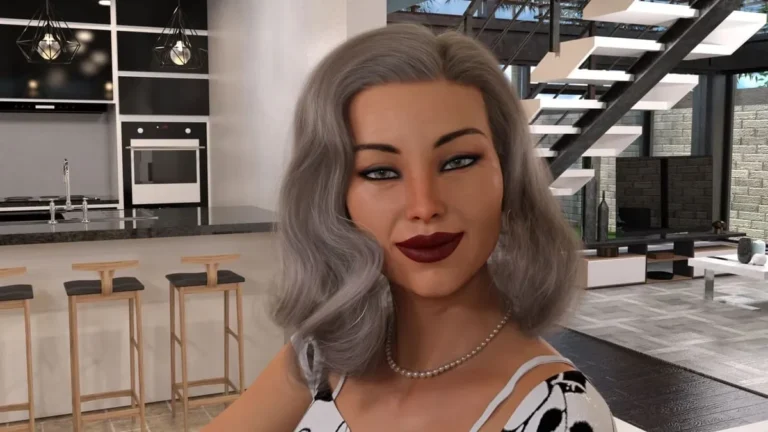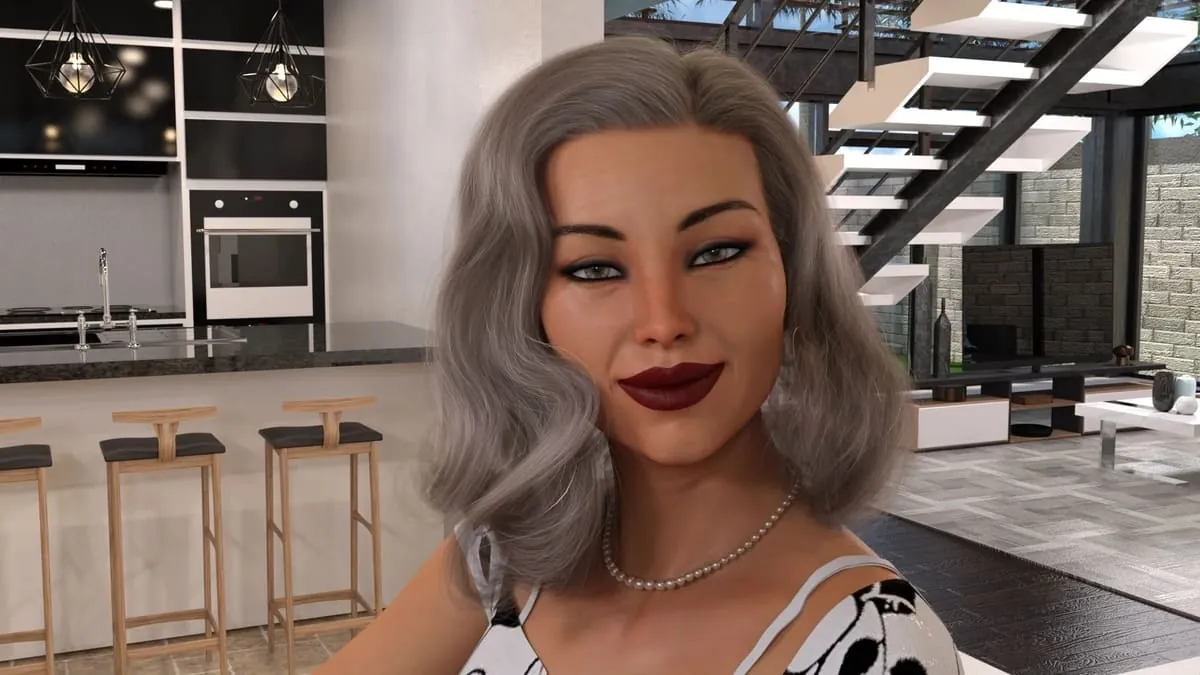
Grandma’s House
Play Grandma’s House
Grandma’s House Screenshots

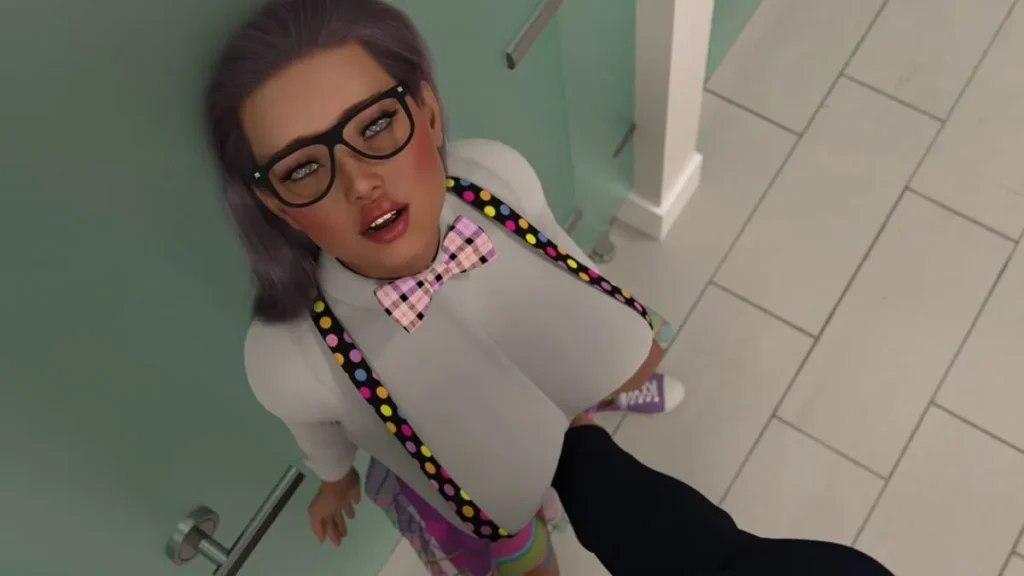


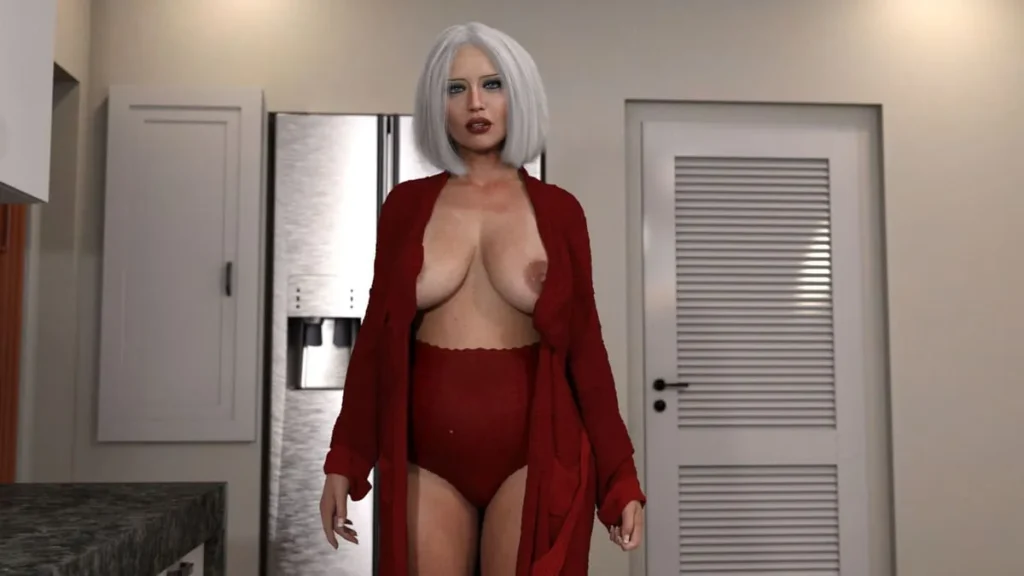


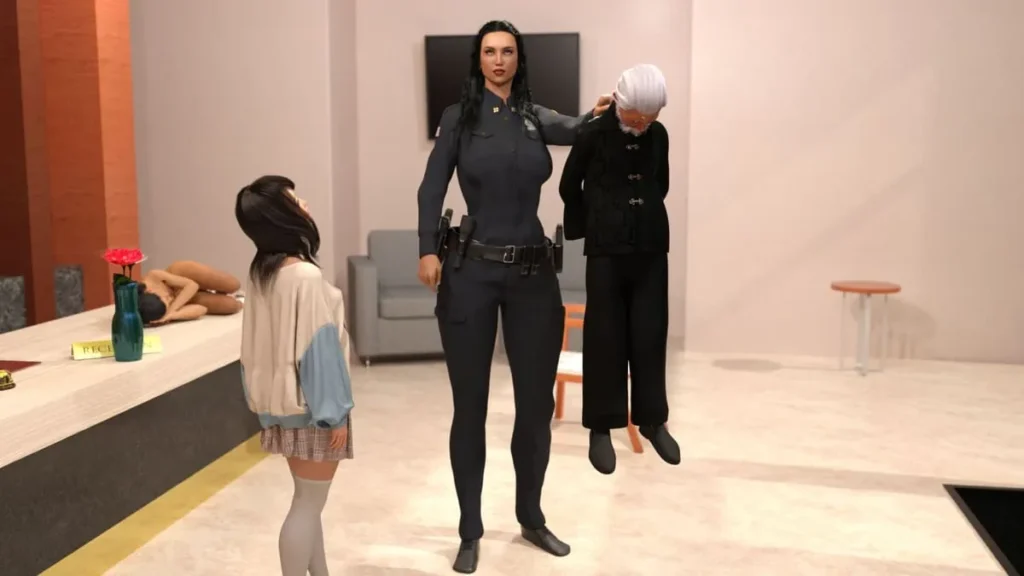
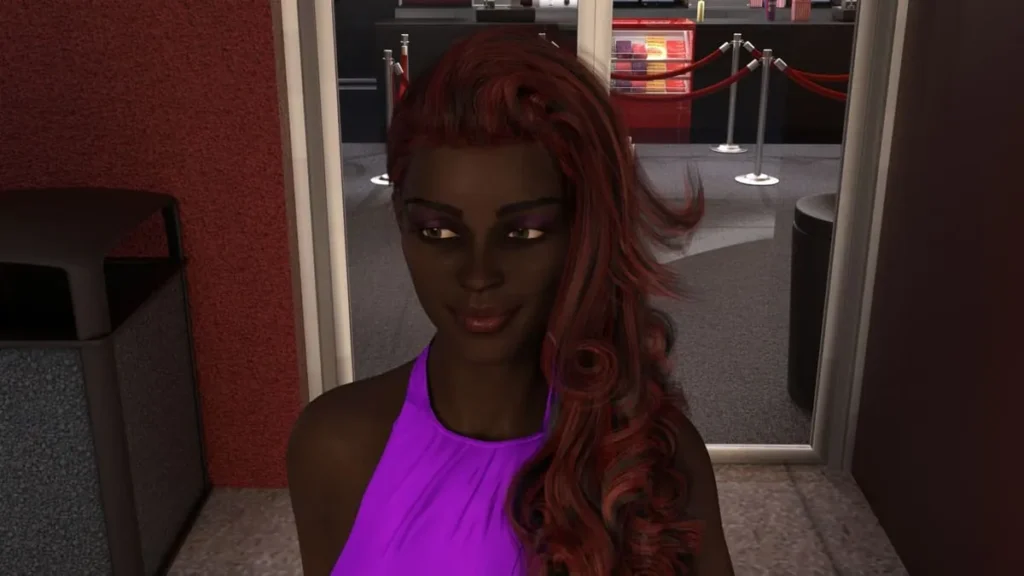
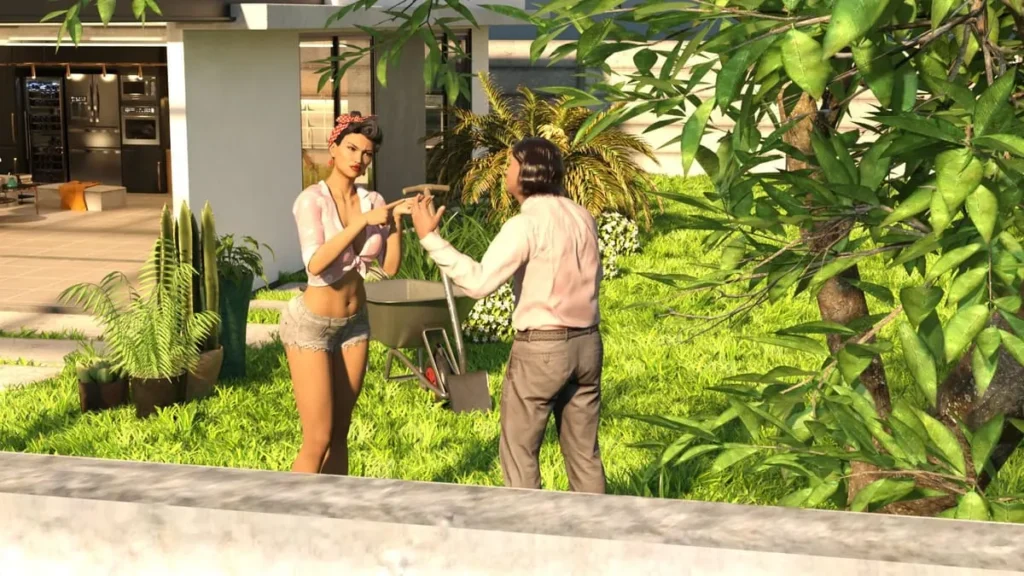
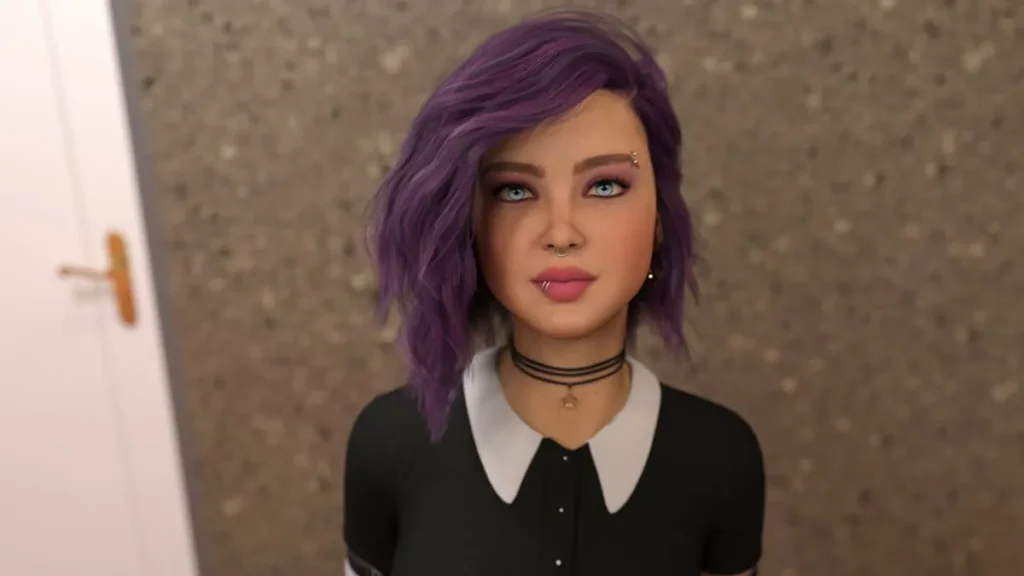



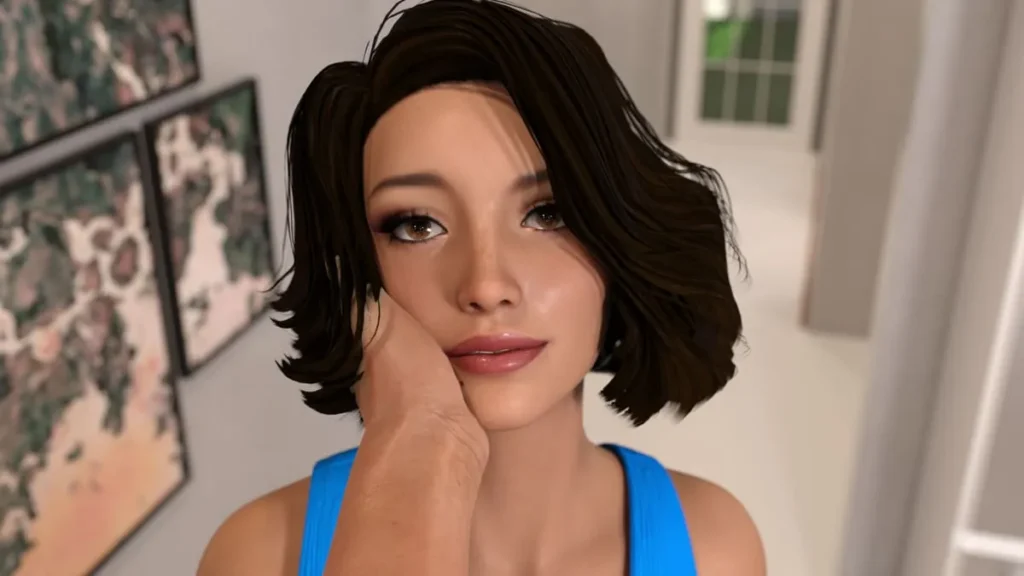
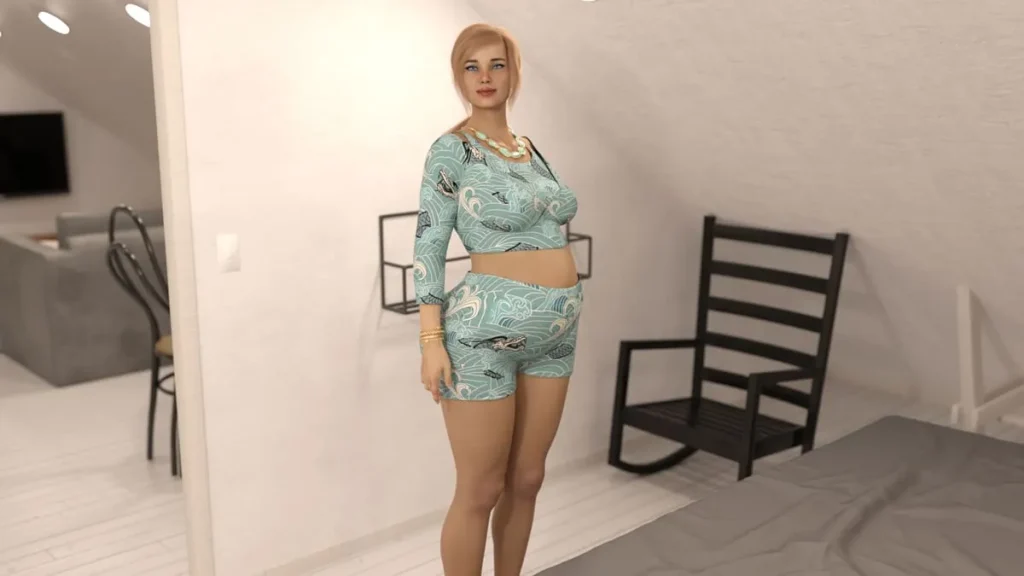
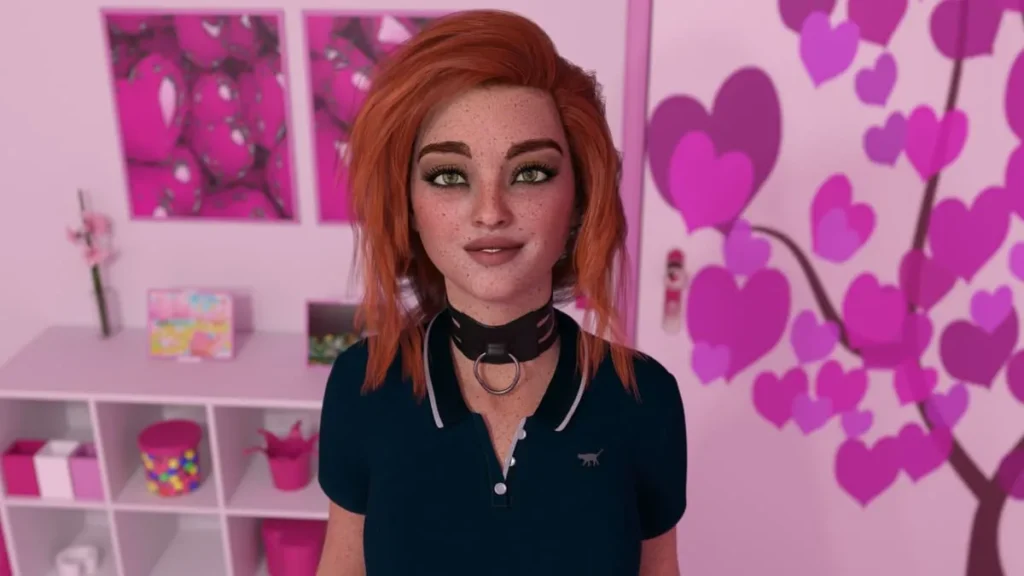

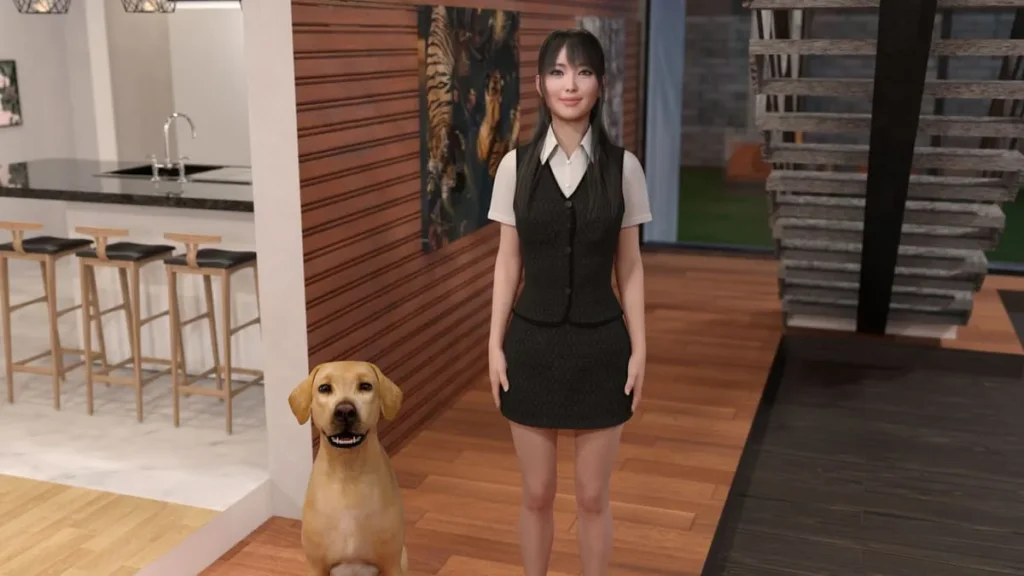

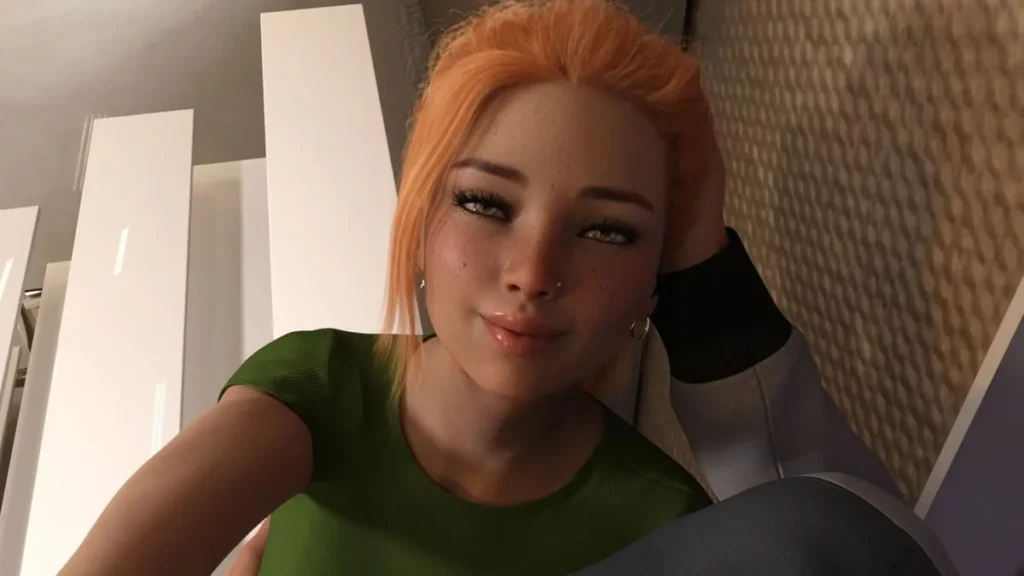

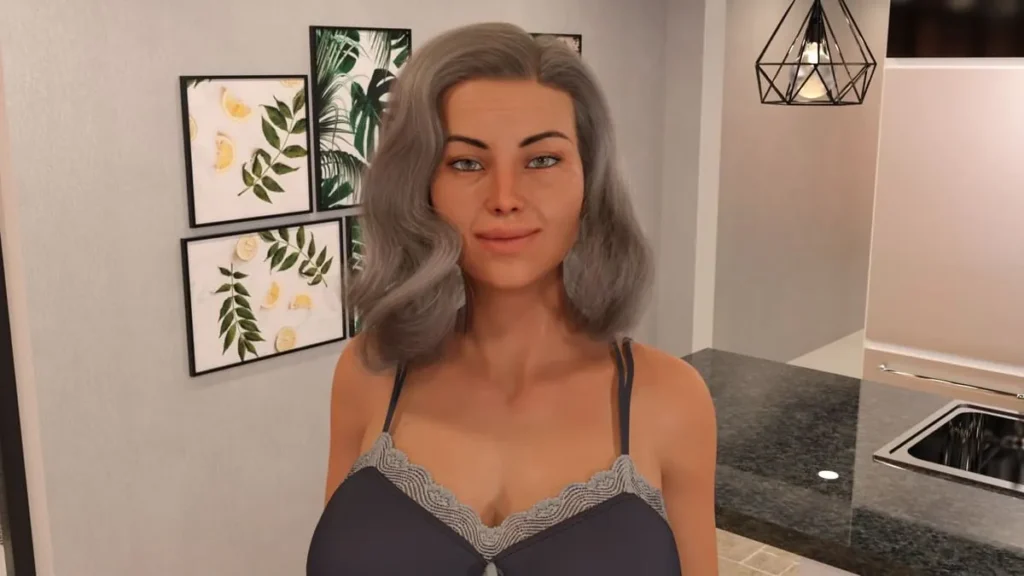

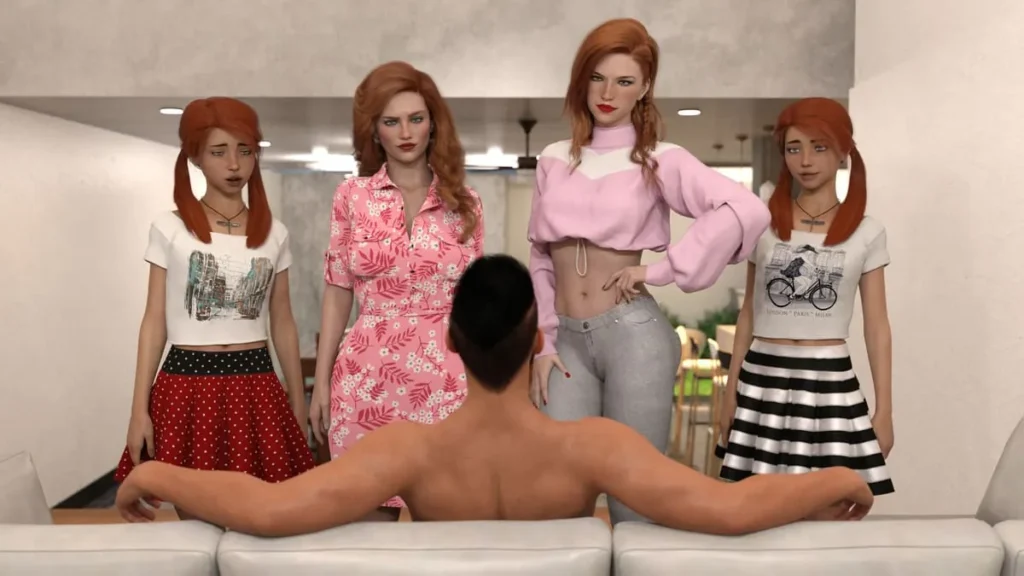

Grandma’s House review
Explore the narrative-driven gameplay, character development, and branching storylines of this indie visual novel
Grandma’s House is an indie adult visual novel developed by MoonBox Games that has gained significant attention in the AVN community. This narrative-driven experience focuses on character development and relationship building rather than rushed content, offering players multiple branching storylines and meaningful choices that impact the overall narrative. The game features a diverse cast of characters, each with their own story arcs and development timelines. Whether you’re interested in understanding the game’s mechanics, exploring character relationships, or learning about upcoming content, this guide provides comprehensive insights into what makes this title unique in the adult gaming landscape.
Understanding Grandma’s House Game Mechanics and Gameplay
So, you’ve arrived at Grandma’s House, and maybe you’re expecting a straightforward story. Let me tell you, you’re in for a beautiful, complex surprise. This isn’t a game where you click mindlessly to the next scene. The heart of Grandma’s House game mechanics is a deeply woven tapestry of choice, consequence, and genuine human connection. Every conversation, every small decision, ripples outwards, changing your relationships and locking or unlocking entire pathways through the narrative. It’s a masterclass in visual novel gameplay that rewards patience, observation, and emotional intelligence over quick decisions.
The magic—and the challenge—lies in understanding that you are not just a spectator. You are an active participant in a living story. Your agency is everything. To truly appreciate this, we need to peel back the layers and explore the three pillars that make this experience so unique: how your choices branch the story, how you build relationships, and how you progress through the game’s rich content. 🏡✨
How Branching Choices Shape Your Story
The first thing you need to wrap your head around is that there is no single “correct” playthrough of Grandma’s House. From the moment you step onto the porch, the narrative splinters based on your branching storyline choices. Think of it less like a book with alternate endings and more like a garden where every conversation is a seed. What you choose to say determines what grows, what withers, and what hidden paths appear.
I learned this the hard way on my first playthrough. I was casually friendly with everyone, trying to be the “nice guy” without committing to any particular connection. Big mistake! 🚫 By mid-game, I found myself in a strange limbo. Polly was cordial but distant, Veena’s vibrant stories felt surface-level, and I had completely missed early, subtle opportunities with Sandra. The game doesn’t shout “IMPORTANT DECISION!” with flashing lights. Instead, it presents quiet, realistic moments. Do you help Karen with the dishes, or go listen to Allie’s music? Do you probe gently into Polly’s guarded past, or respect her boundaries and change the subject?
Each of these branching storyline choices sets a relationship flag—an internal variable the game remembers. A flag isn’t just “Polly +5 points.” It’s more specific, like Polly_SharedChildhoodMemory = True or Trust_Allie_Music = Level2. Later, when a scene triggers, the game checks its library of flags and variables. If you have the right combination, a heartfelt midnight conversation on the porch unfolds. If you don’t, you might just get a polite “goodnight” and a closed door.
💡 Pro Tip: Don’t save-scum your first playthrough! The beauty is living with your choices and seeing an organic, sometimes imperfect, story unfold. Your “mistakes” create a narrative that is uniquely yours.
This system creates incredible replay value. On a second run, focusing solely on Allie, I discovered entire layers of her personality—her anxieties about the future, her deep love for her art—that were completely absent before. The game mechanics expertly ensure that pursuing one deep connection often means missing the nuances of another, mirroring the painful and beautiful trade-offs of real life.
Character Relationship Systems and Development
If the branching narrative is the garden, then character relationship progression is the careful cultivation of each plant within it. This is where Grandma’s House truly shines and defies expectations. Forget instant gratification. Here, trust is a currency earned in small, meaningful deposits.
The game operates on a philosophy of emotional authenticity. Characters have their own histories, traumas, and comfort zones. Polly, for instance, is deeply reserved and protective of her heart. Bombarding her with forward comments will shut down her path entirely. Instead, character relationship progression with her is about consistent, patient kindness. It’s about choosing the supportive dialogue option when she’s vulnerable, even if it’s not the “romantic” one. You’re building a foundation of safety, not just ticking boxes toward a scene.
Conversely, a character like Veena is more outwardly confident and open to faster-paced interaction. Her timeline feels different because her personality is different. Sandra and Karen, too, have their own rhythms based on their life experiences and current situations. The game respects these individual paces, making every breakthrough feel earned and significant.
This trust-building is managed through those relationship flags and variables. The game is constantly tracking:
* Affection Level: A general measure of how much a character likes you.
* Trust Level: Often more important than affection, especially for characters like Polly and Allie.
* Event-Specific Flags: Key choices that act as gates for future interactions (e.g., Helped_Karen_Garden or Listened_To_Allies_Demo).
* Route Flags: Invisible markers that track which character’s “path” you are primarily on, influencing who seeks you out and when.
The visual novel gameplay here is a dance of reading cues and responding with empathy. When Allie shares her music, do you give a generic compliment, or do you engage with the specific emotion in the lyrics? The latter choice might raise her Trust_Music variable, which could be a prerequisite for her later sharing a much more personal, unfinished piece. It’s a brilliant system that makes you feel like you’re discovering someone, not conquering a checklist.
| Character | Progression Pace | Key to Development | Scene Availability Note |
|---|---|---|---|
| Polly 🦋 | Slow and Steady | Patience, emotional support, respecting boundaries. Trust is everything. | Intimate scenes are locked behind high trust levels and are late-game achievements. |
| Allie 🎵 | Medium to Slow | Genuine engagement with her art and dreams. Be a sanctuary from her pressures. | Sharing creative work is a major milestone that unlocks deeper narrative branches. |
| Veena 🌺 | Medium to Fast | Playful confidence, matching her energy, showing interest in her stories. | Her route may offer earlier passionate scenes, but deeper emotional vulnerability comes later. |
| Sandra & Karen 👩🍳 | Variable | Sandra: Mature, direct conversation. Karen: Shared responsibilities, quiet moments. | Their paths are often intertwined with the house’s daily life, offering unique, grounded moments. |
Scene Unlocking and Progression Systems
So, how does all this choice and relationship-building translate into actually experiencing the game’s content? This is where we talk about the scene unlocking system. In many games, you play linearly from start to finish. In Grandma’s House, the story you see is a custom mosaic built from the pieces you’ve earned access to.
Most scenes are unlocked organically through the game mechanics we’ve discussed. Reach the correct combination of affection, trust, and story flags, and the next narrative beat will trigger naturally during your visit. This is the intended and most satisfying way to play—allowing the story to unfold based on your authentic interactions. 🧩
However, the developer understands that players are curious, might be stuck, or want to explore specific content on a repeat playthrough. This is where understanding how to unlock scenes in Grandma’s House via the developer console becomes valuable knowledge. It’s not a cheat code; it’s a debug tool that lets you directly manipulate the relationship flags and variables the game is tracking.
⚠️ Important Note: Using the console bypasses the intended narrative journey. It’s best used for experimentation after your first organic playthrough or to troubleshoot if you genuinely believe a scene should be triggering but isn’t.
Let’s say you want to explore a late-game scene with Allie that requires her Trust variable to be at 4 and a specific flag Allie_SharedSong to be true. Instead of playing through 6 hours of story to get there, you could open the console (usually the ~ key) and input commands to set those conditions. It’s a powerful way to see the specific cause-and-effect of the scene unlocking system.
Think of it this way: the game is a complex web of checks and gates. The console lets you peek at the blueprint. For example:
* A simple picnic scene might check: if Karen_Affection > 30 and Day_Of_Week == "Saturday".
* A major emotional confession might check for multiple flags: if Polly_Trust > 50 and Event_HelpedWithBoxes == true and Player_Path != "Veena_Primary".
This behind-the-curtain look reveals the incredible depth of the visual novel gameplay. It shows that a seemingly minor choice on Tuesday can be the pivotal key to a transformative conversation on Friday night. Understanding this scene unlocking system deepens your appreciation for the craft, showing how every line of dialogue and every character reaction is meticulously accounted for in the narrative code.
How to unlock scenes in Grandma’s House ultimately boils down to two paths: the emotional path of playing the game with your heart, making choices that feel right for the relationships you want to build, and the analytical path of using tools to understand or manipulate the framework. Both are valid, but the true soul of the experience is in the former—in letting the story breathe and surprise you.
FAQ: Your Grandma’s House Mechanics Questions, Answered
Q: I feel like I’m missing scenes. How do I know if I’m on a character’s path?
A: The game rarely tells you explicitly. Look for subtle cues: does a character seek you out more often? Do their dialogue options become more personal and vulnerable? If interactions feel repetitive, you might not have triggered the key relationship flag to progress. Try reloading an earlier save and making different branching storyline choices in your conversations with them.
Q: Are console commands the only way to unlock everything?
A: No! They are a tool, not the primary method. The intended scene unlocking system is entirely based on your in-game choices and relationship building. Console commands are for debugging, testing, or targeted exploration after you’ve played naturally.
Q: Can I romance multiple characters at once?
A: The game mechanics and relationship flags do allow for exploring multiple connections, but there are often narrative consequences. Characters may become aware of your other interests, leading to jealousy or closed-off storylines. Some late-game, intimate scenes are exclusive and require a dedicated focus on one character’s relationship progression.
Q: Why won’t a specific scene trigger even though my relationship seems high?
A: Character relationship progression isn’t just about a number. Scenes often require very specific relationship flags and variables from earlier events. You might need to have chosen a particular dialogue option three visits ago, or completed a small, unmarked task. The game values narrative cause and effect over simple point accumulation. When in doubt, check community guides for specific scene prerequisites.
Q: Is there a “wrong” way to play?
A: Only if your goal is to see 100% of the content in one run—that’s literally impossible by design. There is no “wrong” story, only different stories. A playthrough where you end up alone but having helped everyone with their burdens is just as valid and narratively rich as one with a romantic conclusion. Embrace your unique branching storyline choices and the story they create.
Grandma’s House stands out in the adult gaming community for its commitment to meaningful storytelling and character development. Rather than prioritizing rapid content expansion, the game focuses on building authentic relationships where player choices genuinely matter and character development feels organic and rewarding. The branching narrative system ensures that each playthrough can feel unique based on the decisions you make, while the diverse cast of characters offers multiple relationship paths to explore. Whether you’re drawn to the game for its narrative depth, character interactions, or the satisfaction of building meaningful relationships through patient gameplay, Grandma’s House delivers a thoughtful approach to adult gaming. As the game continues to evolve with new characters and story arcs, players can look forward to expanded content that maintains the same commitment to quality character development and meaningful player agency that defines the experience.