Evermore
Play Evermore
Evermore Screenshots






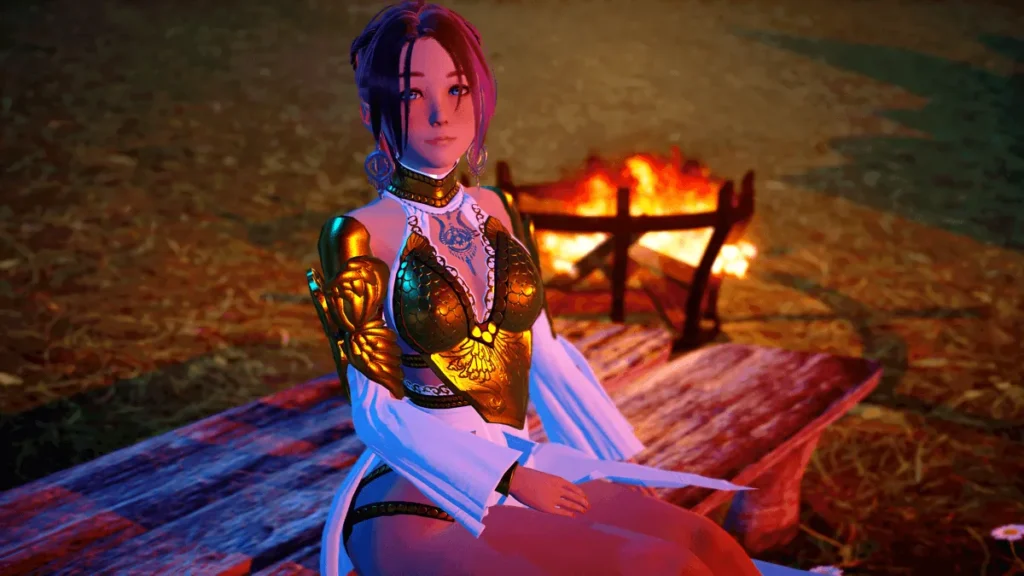



Evermore review
A player-focused walkthrough, tips, and personal insights on Evermore
Evermore is a narrative-driven game with multiple character routes, branching endings, and a heavy emphasis on story choices that shape outcomes. In this guide I’ll walk you through the game’s core mechanics, route structure, and strategy for unlocking the best endings while sharing personal anecdotes from my playthroughs to help you make informed decisions. Whether you’re approaching Evermore for the first time or returning to chase remaining endings, this post highlights practical tips, route ordering, and how to manage the game’s more challenging narrative moments.
Understanding Evermore’s Story and Structure
What is Evermore’s premise? 🏰
Let’s set the scene. You wake up with no memory in a crumbling, gothic manor named Evermore, with the eerie feeling that the walls themselves are watching you. That’s your starting point. The core Evermore story overview is a masterful blend of gothic mystery and deep personal drama. The world-building is immaculate; you’re not just in a spooky house, you’re in a living, breathing entity with its own tragic history, caught in a loop of decaying time. The central conflict? Unraveling the manor’s curse and the truth of your own connection to it, all while navigating the fragile lives of its other trapped residents.
The emotional intensity here is no joke. This isn’t a lighthearted fantasy. The game deals with heavy themes of loss, guilt, fractured identity, and the price of eternal love. My first few hours were spent in a constant state of beautiful unease, torn between wanting to solve the puzzle and being genuinely afraid of what I might find. The mature content is handled with care, never feeling gratuitous, but always serving to deepen the character drama and the haunting atmosphere. Think less jump-scares, more a profound, lingering sense of melancholy and dread that follows you from room to room.
How routes, acts, and endings are organized 🔄
Understanding the Evermore act structure is your key to navigating the narrative. The game isn’t linear. Think of it as a tapestry you weave one thread at a time. The story is divided into distinct Acts, which are major narrative chapters that contain specific character routes.
Here’s the crucial part: your first playthrough is Act I, and you’ll choose one of two initial routes. Completing a route grants you its ending and, more importantly, unlocks new narrative branches and subsequent Acts. Some Acts and their routes are locked until you’ve seen specific endings, creating a brilliant, non-spoilery progression where the story literally expands based on your knowledge.
To visualize this, here’s a breakdown of the core progression:
| Act | Available Routes (Initial Playthrough) | Key Unlock Requirement |
|---|---|---|
| Act I: The Awakening | The Scholar’s Path, The Artist’s Path | Base game start. Unlocks Act II. |
| Act II: Echoes of the Past | The Guardian’s Path, The Stranger’s Path | Complete any one ending from Act I. |
| Act III: The Heart of Evermore | The Heir’s Path | Complete specific endings in both Act I and Act II. |
| Act IV: Convergence | True Ending Route | Complete all primary route endings from previous Acts. |
This structure means the Evermore routes and endings are deeply interconnected. Each route focuses on a different character’s perspective and history, peeling back layers of the central mystery. You might learn a devastating secret in The Artist’s Path that completely recontextualizes a seemingly minor character in The Guardian’s Path. It’s a narrative design that rewards patience and makes every playthrough feel essential, not optional.
The game uses a visual flowchart system in the menu to track your progress. This isn’t just for show—it’s a vital tool. It shows you how your choices branch, where endings diverge, and clearly marks locked nodes, helping you plan your journey without external guides. My advice? Check it after each major chapter. It often hints at possibilities you didn’t know were there!
Key characters and how they affect the plot 👥
The Evermore characters are the soul of the manor. They’re not just romance options or quest-givers; they are the living embodiment of the manor’s curse, each holding a shattered piece of the truth. Your relationships with them directly shape the plot and which Evermore endings you can achieve.
- The Scholar (Act I): Your first potential anchor. Pragmatic and desperate for logical answers in an illogical place. His route is often recommended first because it focuses heavily on uncovering the manor’s rules and history, giving you a solid factual foundation. He’s your guide to the what and how.
- The Artist (Act I): All emotion and memory, painting scenes of a past she can’t quite grasp. Her path is a deep dive into the manor’s emotional intensity and its impact on the soul. Where The Scholar gives you facts, The Artist makes you feel the tragedy. Choosing her first creates a more intuitive, but mystifying, initial experience.
- The Guardian (Act II): A figure of duty and quiet sorrow, bound to protect something within Evermore. His route explores themes of sacrifice and eternal duty. Interacting with him often reveals the consequences of the curse, showing how it actively sustains and torments.
- The Stranger (Act II): The wild card. His motives are unclear, and his knowledge seems dangerously extensive. This route is where the dark themes often come to the forefront, challenging your trust and introducing morally complex choices. He knows more than he lets on, and his path is crucial for piecing together the larger antagonist forces at play.
- The Heir (Act III): The central figure of the manor’s legacy. This route is typically locked because it deals with the core family secret. Here, the Evermore story overview snaps into sharp focus. The Heir’s personal conflict is the manor’s conflict, and understanding their pain is the final step before the endgame.
My personal favorite is The Artist, purely because her story’s pacing wrecked me in the best way. A moment where a seemingly random memory fragment you find in Act I suddenly crystallizes into a heartbreaking revelation in her final act is a storytelling peak I’m still thinking about. Each character doesn’t just add a subplot; they rotate the entire narrative prism, letting you see the same events in a shocking new light.
Evermore optimal route order and narrative tips 🧭
So, what’s the best way to experience this? Based on narrative payoff and spoiler management, I strongly advocate for this Evermore optimal route order:
- The Scholar’s Path (Act I): Start here. It establishes the rules, the stakes, and the historical context without overwhelming you with emotional subtext. It’s the most stable ground to stand on before the floor drops out.
- The Artist’s Path (Act I): Next, swap facts for feeling. This path takes the foundation from The Scholar and makes it personal, deepening your emotional investment in the manor’s fate.
- The Guardian’s Path (Act II): Now, explore the curse’s long-term effects. This route often feels like a direct consequence of the events in Act I, and it introduces deeper lore about the manor’s “will.”
- The Stranger’s Path (Act II): Embrace the chaos. With the context from the first three routes, you can now appreciate the Stranger’s dangerous knowledge and the crucial, darker pieces of the puzzle he provides.
- The Heir’s Path (Act III): The grand synthesis. All previous paths lead here, making the revelations in The Heir’s story immensely powerful and satisfying.
- The True Ending Route (Act IV): The final piece. With every perspective gathered, you are finally equipped to break the cycle or embrace it.
This order manages spoilers brilliantly. It layers information, letting you make connections yourself rather than having them told to you bluntly. Jumping straight to The Heir, for example, would rob earlier routes of their mystery and surprise.
Finally, here are my top Evermore narrative tips for your journey:
Tip #1: Live with your choices on a first blind playthrough of a route. Don’t reload saves to immediately see a different branch. The anxiety and weight of your decisions are part of the intended experience. You can always use the flowchart later to clean up endings.
Tip #2: Pay attention to the environment. Evermore communicates through its wallpaper, its music, and the objects on desks. A book title or a repeated symbol is often a gentler, more elegant clue than any dialogue.
Tip #3: Use the in-game journal. It doesn’t just log events; your character’s personal notes and evolving theories are a fantastic way to track your own understanding. I’ve had “aha!” moments just by re-reading an early entry with late-game knowledge.
The magic of Evermore is in its construction. By understanding its act structure, respecting the journey of its characters, and following a thoughtful route order, you transform from a passive player into an active archaeologist of souls, carefully brushing the dust from a masterpiece one heartbreaking, beautiful fragment at a time. Enjoy the unraveling.
Evermore is a richly layered narrative experience where route order, choice management, and a careful save strategy make the difference between frustration and meaningful discovery. This guide walked through the story structure, gameplay systems, route strategies, technical considerations, and community resources while sharing personal playthrough insights to help you plan your sessions. If you’re about to start Evermore, follow the recommended route order, use manual saves before major decisions, and consult community flowcharts when aiming for complete endings. If you found these tips useful, try the suggested route order on your next playthrough and share your results with the community.